
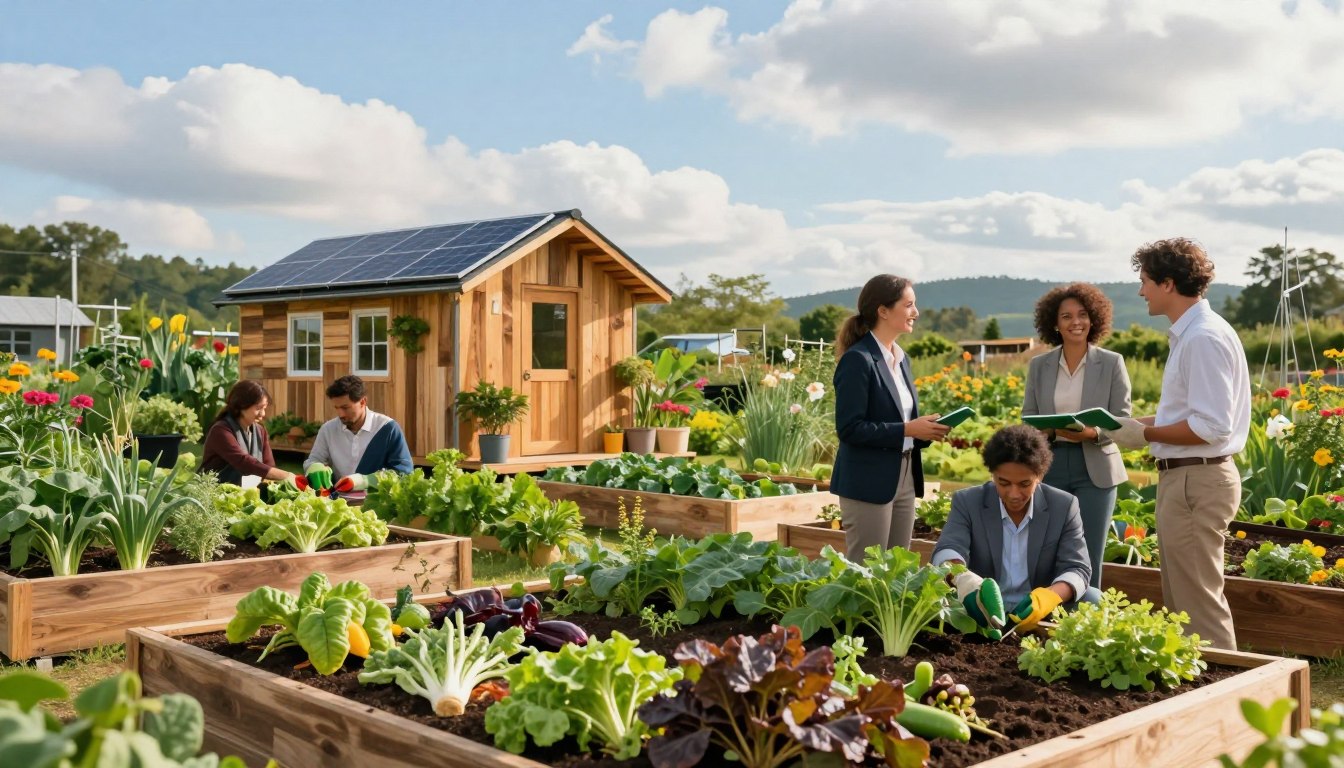
Did you know that the average American household generates over four pounds of waste every single day? This staggering statistic highlights a massive opportunity for change within our own homes. By adopting sustainable healthy living systems, you can transform your daily habits to boost your personal well-being while shrinking your ecological footprint.
Many people believe that going green requires drastic lifestyle overhauls. In reality, small and consistent adjustments to your routine create the most lasting impact. You do not need to change everything overnight to see results.
Focusing on mindful choices allows you to align your personal health goals with broader environmental stewardship. This approach makes it easier to nurture your body while protecting the planet for future generations. Embracing these methods is a rewarding journey that benefits both you and the world around you.
Key Takeaways
- Small daily habits lead to significant long-term environmental improvements.
- Personal wellness and ecological health are deeply interconnected.
- Reducing waste starts with simple, intentional choices at home.
- Consistency matters more than perfection when building new routines.
- Aligning your lifestyle with nature fosters a greater sense of purpose.
Core Principles of Sustainable Healthy Living Systems
Sustainable healthy living systems rely on a deep awareness of the bond between our bodies and the planet. When we choose to live in harmony with nature, we often find that our physical vitality improves alongside the health of our surroundings. By removing toxins from our homes, we create a sanctuary that supports long-term wellness.
Understanding the Connection Between Personal Health and Environmental Impact
The air we breathe and the water we drink are direct reflections of our environmental choices. Everything is connected, meaning that reducing our chemical footprint directly lowers the toxic load on our own immune systems. Choosing non-toxic products is a powerful way to protect your health while respecting the earth.
Consider the following benefits of aligning your lifestyle with the environment:
- Reduced exposure to harmful synthetic chemicals and endocrine disruptors.
- Improved indoor air quality through the use of natural, breathable materials.
- Lower stress levels by fostering a deeper connection to the natural world.
The Pillars of Green Living Solutions
Effective green living solutions are built upon intentionality and conscious decision-making. These pillars help us navigate the complexities of modern life while keeping our ecological impact low. By focusing on these core areas, you can build a foundation for a more sustainable future.
| Principle | Traditional Habit | Sustainable Alternative |
|---|---|---|
| Consumption | Single-use plastics | Reusable glass or metal |
| Energy | High-impact fossil fuels | Renewable energy sources |
| Diet | Processed convenience foods | Local, organic whole foods |
Adopting these habits allows you to thrive in a way that honors both your body and the environment. Embracing these green living solutions is not about perfection, but about making consistent, positive changes. Start small, stay consistent, and watch how your life transforms.
Practical Steps to Implement Eco-Friendly Lifestyle Habits
Embracing an eco-friendly lifestyle starts with the small choices you make every single day. By shifting your focus toward sustainability, you can turn your living space into a healthier, more efficient sanctuary for your family.
Step One: Transitioning to Organic Living Tips at Home
Adopting organic living tips is a powerful way to reduce your chemical footprint. Start by auditing your pantry and cleaning supplies to identify items that contain harsh synthetic ingredients.
Reducing Waste Through Mindful Consumption
Mindful consumption is the cornerstone of a low-waste home. Before making a purchase, ask yourself if the item is truly necessary or if you can repurpose something you already own.
- Choose reusable glass containers instead of single-use plastics.
- Compost food scraps to enrich your garden soil naturally.
- Buy in bulk to minimize excessive packaging waste.
Selecting Natural Health Products for Daily Use
When it comes to personal care, natural health products offer a safer alternative to conventional options. Look for certifications that verify organic ingredients and ethical manufacturing processes.
Prioritizing items like plant-based soaps, essential oils, and mineral-based sunscreens helps protect both your skin and the local water supply. Always read labels carefully to avoid hidden toxins.
Step Two: Adopting Environmentally Conscious Living Habits
True environmentally conscious living requires looking at the bigger picture of how your home interacts with the planet. Small adjustments in your daily routine can lead to significant long-term savings and a smaller carbon footprint.
Energy Efficiency and Water Conservation Techniques
Conserving resources is essential for a sustainable home. Simple habits like switching to LED lighting and installing low-flow showerheads can make a massive difference.
Consider these effective strategies for your home:
- Unplug electronics when they are not in use to prevent phantom energy drain.
- Wash clothes in cold water to save on heating costs.
- Fix leaky faucets immediately to prevent unnecessary water waste.
Sustainable Nutrition and Local Sourcing
What you put on your plate impacts the environment just as much as your utility bills. Supporting local farmers’ markets reduces the carbon emissions associated with long-distance food transportation.
Focusing on seasonal, whole foods ensures you receive the highest nutritional value while supporting sustainable agricultural practices. Eating locally is a delicious way to contribute to a healthier planet.
Integrating Holistic Wellness Practices into Your Daily Routine
True wellness begins when you align your daily habits with the natural rhythms of the world around you. By incorporating holistic wellness practices, you create a balanced foundation that supports both your physical health and mental clarity. This approach encourages you to view your life as a connected system rather than a series of isolated tasks.
Mindful Movement and Connection with Nature
Moving your body outdoors is one of the most effective ways to ground yourself. Whether it is a brisk morning walk in a local park or a quiet yoga session in your backyard, these activities foster a deep sense of peace. Nature acts as a natural stress reliever, helping you clear your mind after a long day.
Try to spend at least twenty minutes outside each day without digital distractions. This simple shift allows you to observe the changing seasons and appreciate the environment. You will likely find that your mood improves significantly when you prioritize this essential connection with nature.
Creating Sustainable Living Resources for Long-Term Success
Consistency is the secret to maintaining any new routine. To stay on track, you should curate a collection of sustainable living resources that make eco-conscious choices easier. This might include a library of plant-based recipes, a list of local farmers’ markets, or apps that track your carbon footprint.
Having these tools readily available removes the guesswork from your daily decisions. When you have a clear plan, you are much more likely to stick to your goals during busy weeks. Empower yourself by organizing these resources in a way that fits your personal lifestyle.
Building a Supportive Community Network
You do not have to walk this path alone. Connecting with others who share your values provides the encouragement needed to overcome challenges. Consider joining local environmental groups or online forums where members share tips on earth-friendly lifestyle habits.
A strong network offers more than just advice; it provides a sense of belonging. Sharing your successes and failures with like-minded people makes the journey feel much more rewarding. Community support is often the missing link in achieving lasting change.
Tracking Your Progress Toward an Earth-Friendly Lifestyle
Measuring your growth helps you stay motivated and focused on your long-term vision. Keep a simple journal or use a digital tracker to monitor your earth-friendly lifestyle habits over time. Seeing your progress in writing can be incredibly inspiring and validating.
Focus on small, incremental improvements rather than perfection. Celebrate the days when you successfully reduce waste or choose sustainable products. By acknowledging your wins, you build the momentum necessary to sustain your commitment to a healthier, greener future.
Conclusion
Your journey toward better health creates a ripple effect that touches the entire planet. Small shifts in your daily routine build momentum for lasting change.
Adopting an eco-friendly lifestyle requires patience and a steady commitment to your values. You possess the power to align your personal wellness goals with the needs of the environment.
Consistency remains the most important tool in your kit. By practicing Earth-friendly lifestyle habits, you protect natural resources while improving your own vitality.
Brands like Patagonia and Seventh Generation show that mindful choices support both people and the Earth. Your dedication serves as an inspiration for your community and future generations.
Start your next small change today. Share your progress with friends or family to grow this movement together. Every action counts toward a healthier world for everyone.